When it comes to dumpster rentals, making notified choices concerning size, rental period, and contents is vital to ensuring a smooth and economical waste monitoring process for your project. Picking the appropriate dumpster dimension relies on the kind and quantity of waste, while recognizing rental duration alternatives aids tailor the period to your project's requirements. Understanding what can and can't go in the dumpster is necessary, and proper placement and access are vital for reliable disposal. Finally, budgeting for extra fees, such as obese charges and gas additional charges, helps avoid surprise prices. By taking into consideration these essential elements, you'll be well on your means to an effective waste monitoring strategy that satisfies your job's one-of-a-kind demands.
Choosing the Right Dumpster Size
The appropriate dumpster size is essential to ensuring a successful waste management project, as it directly affects the efficiency and cost-effectiveness of the entire procedure. A dumpster that is as well small can lead to regular emptying, resulting in increased expenses and logistical challenges.
On the other hand, a dumpster that is as well large can be a waste of resources, occupying useful area and raising expenses unnecessarily.
To establish the right dumpster dimension, assess the scope of your task, including the type and volume of waste to be created. For small-scale projects, such as small remodellings or backyard cleanups, a 10-15 lawn dumpster might be sufficient. For larger tasks, such as building and construction or demolition, a 20-30 yard dumpster might be necessary.
It's additionally vital to assess the weight ability of the dumpster, as overloading can result in extra costs and safety hazards.
Understanding Rental Duration Options
With the right dumpster size in place, focus can now shift to the rental period, a critical aspect of the waste management process This identifies how long http://piedmonttriad-dumpsters.image-perth.org/effective-dumpster-rentals-in-10-steps you'll have the dumpster on-site, and it's necessary to pick a period that lines up with your task's timeline. Usually, rental periods range from a couple of days to numerous weeks or even months.
When selecting a rental duration, take into consideration the scope of your project, the quantity of waste you anticipate to produce, and the frequency of waste disposal. For instance, if you're undertaking a major renovation, you might require a longer rental duration to fit the volume of debris.
On the various other hand, a much shorter rental period might be enough for smaller sized jobs like spring cleaning or yard job. Make sure to review your specific needs with your dumpster rental provider to determine the perfect rental duration for your situation.
What Can Go in the Dumpster
As you prepare to load your dumpster, it's essential to recognize what can and can not be gotten rid of in the dumpster to avoid any concerns or extra fees.
Generally, dumpsters can suit a wide variety of materials, consisting of building particles, family trash, lawn waste, and even home appliances. Nevertheless, there are specific items that are prohibited or require special delivery, such as hazardous waste, electronics, and batteries.
It's essential to contact your dumpster rental provider for details guidelines on what can be gotten rid of in the dumpster. Some typical items that are not permitted include tires, asbestos, and fluorescent light bulbs.
Additionally, some products might require special licenses or dealing with, such as concrete or asphalt.
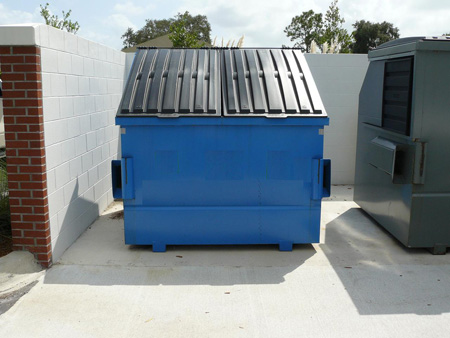
Understanding what can and can not go in the dumpster will assist you avoid any type of potential issues or fines.
It's likewise essential to adhere to the weight capacity and size restrictions of the dumpster to assure risk-free and effective disposal.
Placement and Access Matters
Beyond the what of dumpster components, proper placement and accessibility of the dumpster itself are essential considerations.
You'll wish to make certain the dumpster is positioned in a place that enables easy loading and unloading, lessening the danger of damage to surrounding property or blockage of pedestrian web traffic. Ideal locations generally include driveways, parking area, or assigned construction areas.
Accessibility is additionally crucial, as you'll need to make sure the dumpster is quickly available for waste disposal and pickup.
Avoid putting the dumpster in locations with low-hanging branches, power lines, or other overhanging obstructions that might hinder pickup. Furthermore, bear in mind local regulations and homeowners' organization rules that may limit dumpster placement.
Budgeting for Additional Fees
Determine your total job cost by factoring in additional fees associated with dumpster services. These costs can rapidly build up, making a substantial distinction in your general expenses.
For circumstances, overweight fees can vary from $50 to $100 per ton, relying on the rental business and regional regulations. Be aware that some business might also charge additional for fuel surcharges, distribution charges, or disposal costs for sure materials.
To prevent shock costs, ask your rental business concerning any prospective fees in advance. Clarify their pricing structure and what's consisted of in the first quote.
Additionally, take into consideration the type and weight of products you'll be getting rid of, as this can impact your general prices. By considering these additional charges, you can produce a much more accurate budget and avoid financial setbacks.