When renting a dumpster, several vital factors to consider can make all the distinction in guaranteeing a smooth, reliable, and affordable garbage disposal procedure. Figuring out the appropriate dumpster size is vital, as it directly impacts costs and performance. Rental duration options, ranging from a few days to a number of weeks or months, should be thoroughly considered to fit job needs. Additionally, recognizing debris type and weight limits, along with placement and accessibility worries, can stop unexpected expenses and safety and security concerns. By taking into consideration these variables and budgeting as necessary, tenants can assure an easy experience; explore the details of each consideration to maximize your dumpster rental.
Determining the Right Dumpster Size
When carrying out a project that needs waste disposal, selecting the appropriate dumpster size is necessary to confirm efficient and cost-effective removal of debris. Inaccurately sizing a dumpster can bring about additional costs, hold-ups, and even safety hazards
To figure out the appropriate dumpster size, think about the type and volume of waste you anticipate to generate. Procedure the location where the dumpster will certainly be put to validate it fits easily. Typical dumpster sizes range from 10 to 40 cubic lawns, with 20 and 30 cubic yards being the most popular.
When estimating the quantity of waste, consider the weight and thickness of materials. As an example, heavy products like concrete or asphalt need bigger dumpsters, while lighter products like drywall or roofing roof shingles can fit in smaller ones.
Additionally, consider any special requirements, such as cooling agent disposal or big device removal. By properly assessing your needs, you can pick the ideal dumpster dimension, confirming a smooth and effective project.
https://pastelink.net/wzanbnlxUnderstanding Rental Period Options
A construction timeline is just as solid as its waste management plan, and an essential facet of that strategy is understanding rental period options for dumpsters.
Rental periods can vary depending on the task's range and timeline, and it's crucial to select the right option to stay clear of unneeded extensions or fines. Commonly, rental periods range from a couple of days to a number of weeks or perhaps months.
Short-term rentals are optimal for small projects or occasions, while long-term rentals are better suited for large-scale building or demolition projects. Some dumpster rental firms offer adaptable rental durations, enabling you to adjust the duration as needed.
It's crucial to review your task's particular needs with the rental firm to figure out the most cost-effective and convenient rental period. Make sure to ask about any type of additional costs associated with extensions or early discontinuation to assure you're obtaining the most effective worth for your money.
Debris Type and Weight Limits
Here are some key considerations:
Heavy materials: Heavy materials like concrete, asphalt, and dirt have higher weight limitations than lighter products like paper and cardboard.
Hazardous materials: Harmful materials like batteries, electronic devices, and chemicals need special disposal treatments and may not be admitted routine dumpsters.
Organic materials: Organic materials like food waste and lawn trimmings may undergo particular regulations and weight limits.
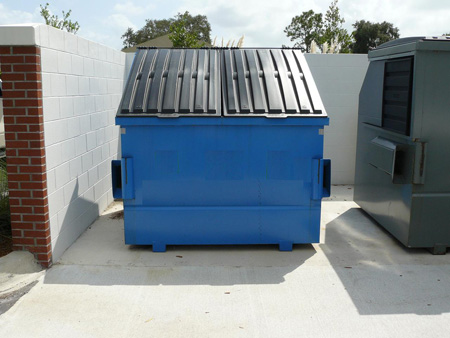

Construction materials: Construction materials like roof tiles, drywall, and lumber have certain weight limits and disposal requirements.
Understanding the particles kind and weight limitations of your dumpster leasing is crucial to ensure a smooth and cost-effective disposal process.
Placement and Ease of access Concerns
Proper dumpster positioning is just as important as recognizing debris type and weight limitations, as it straight affects the efficiency and safety of the disposal process. A well-placed dumpster assurances simple gain access to for packing and unloading, decreasing the danger of mishaps and injuries.
It is vital to identify a flat, secure surface that can support the weight of the dumpster and its components. In addition, the placement should allow for sufficient space to steer around the dumpster, allowing simple accessibility for disposal trucks.
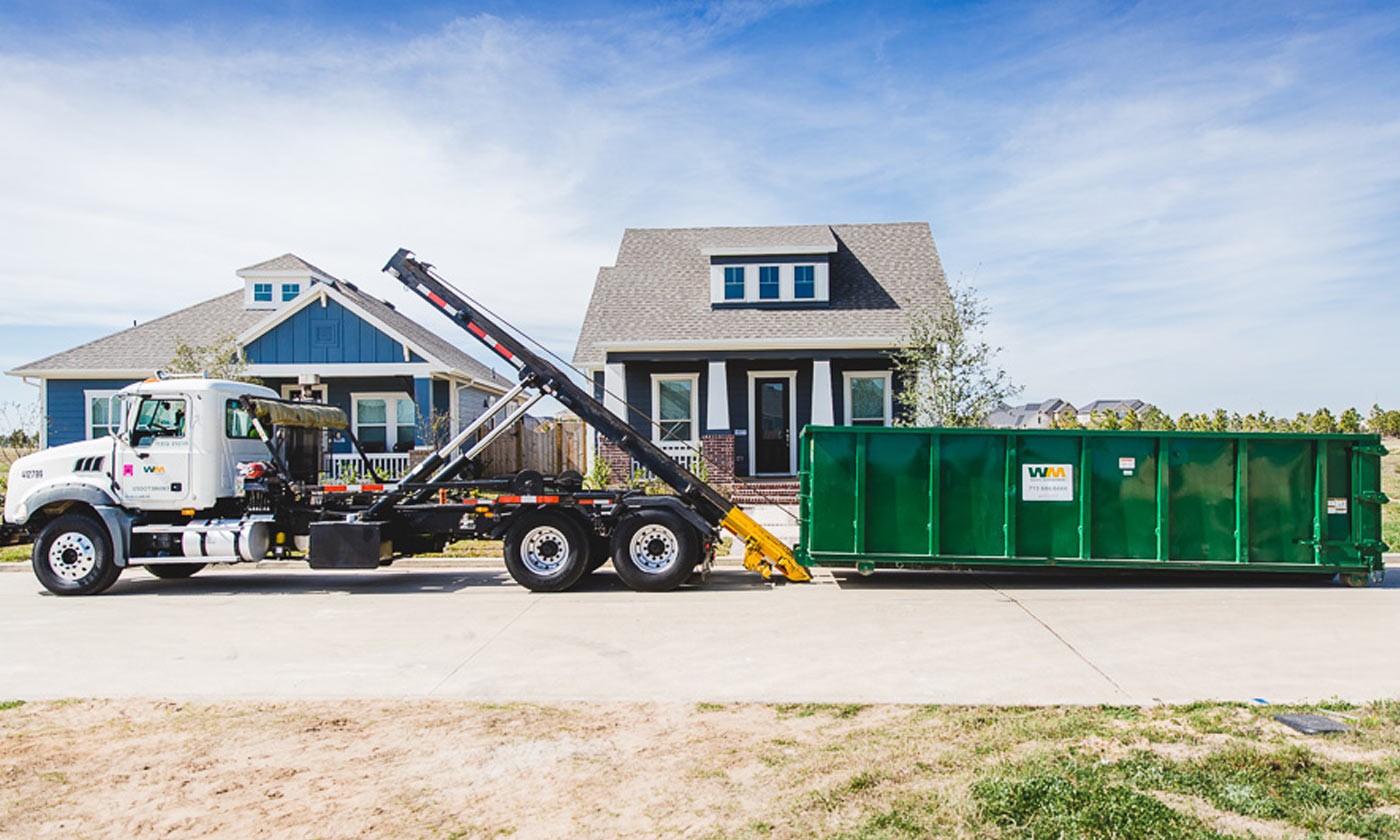
Accessibility is an additional crucial aspect to consider. Validate that the dumpster is situated in a location that is easily accessible for your group or home participants. This will certainly assist in efficient filling and reduce the threat of accidents.
Moreover, evaluate the proximity of the dumpster to the location where debris is being produced. Positioning the dumpster close can reduce labor costs and raise productivity.
Budgeting for Rental and Disposal
Establish a detailed allocate dumpster service and disposal by taking into consideration a number of essential aspects to prevent unexpected expenses.
A well-planned spending plan assurances you're prepared for the prices related to renting out a dumpster and disposing of waste.
Rental Period: Calculate the period you'll need the dumpster, as this straight influences the overall cost.Be sure to consider any kind of possible expansions or modifications to your task timeline.
Dumpster Size: Choose a dumpster size that suits your job's demands, as bigger dumpsters cost more.Consider the kind and quantity of waste you'll be getting rid of to choose the right size.
Disposal Fees: Research neighborhood disposal fees, which vary depending upon the type and weight of waste.Make certain to consist of these expenses in your budget to stay clear of surprises.
Delivery and Pickup: Factor in the prices of supplying and grabbing the dumpster, along with any potential added fees for gas surcharges or travel time.