Renting a dumpster involves more than just selecting a carrier and scheduling a delivery. To guarantee a seamless and affordable experience, it's important to properly evaluate your waste generation, choose the right dumpster size, and pick a reputable provider You need to additionally familiarize on your own with regional policies, prepare the site for delivery, and comprehend exactly how to fill the dumpster safely and efficiently. Furthermore, handling hazardous materials, handling expenses and charges, and adhering to post-rental procedures are vital steps to take into consideration. By adhering to these steps, you'll be well-appointed to tackle your project's waste administration demands and reveal even more understandings to optimize your dumpster rental experience.
Determine Your Dumpster Needs
Typically, house owners and contractors undervalue the quantity of waste generated by their jobs, resulting in pricey and bothersome dumpster swaps This blunder can be avoided by accurately establishing the dumpster requirements of your project.
Start by thinking about the type of project you're embarking on. Are you restoring a shower room, destroying a deck, or cleaning out a hoarded home? Each project produces different sorts of waste, and understanding what you'll be disposing of is essential.
Next, approximate the volume of waste you anticipate to create. Measure the location to be removed or knocked down, and research the typical waste outcome for similar projects. Additionally, take into consideration the weight and density of the materials you'll be dealing with, as this can affect the dumpster's capacity.
Choose the Right Dumpster Size
Selecting the ideal dumpster size is an essential step in the rental process, as it directly impacts the efficiency and cost-effectiveness of your job. A dumpster that is too small may bring about extra rental fees, while one that is too big may cause lost area and resources.
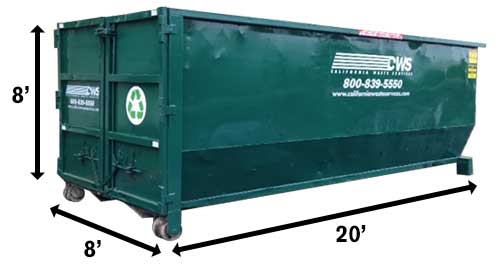
To identify the appropriate dimension, consider the kind and quantity of waste you anticipate to create. For small projects, such as small remodellings or backyard cleanings, a 10- or 15-yard dumpster may be sufficient. Medium-sized jobs, like cooking area remodels or deck replacements, often call for 20- or 30-yard dumpsters. Large-scale projects, such as construction or demolition, might necessitate 40-yard dumpsters or larger.
Additionally, think of the weight capability and material type Heavier materials like concrete or asphalt require larger dumpsters, while lighter products like branches or leaves https://piedmonttriaddumpsters8.wordpress.com/2024/10/24/10-vital-dumpster-rental-tips/ can be suited in smaller sized ones.
Select a Respectable Dumpster Provider
With your dumpster size figured out, the next important action is to recognize a reliable and trustworthy dumpster provider that can provide the appropriate equipment to support your job's needs.
This pivotal decision will affect the success of your job, ensuring timely and efficient waste management Study regional service providers, inspecting their online reputation online via customer reviews, ratings, and testimonials.
Look for firms with a proven track record of delivering dumpsters on schedule, giving superb customer support, and providing flexible rental periods Verify their licenses, qualifications, and insurance policy to confirm compliance with local regulations.
Compare rates and solutions amongst carriers, thinking about elements such as dumpster dimensions, types, and additional features like same-day shipment or versatile payment options.
A respectable service provider will function very closely with you to recognize your project's unique requirements, offering advice on dumpster placement, loading, and disposal.
Check Neighborhood Dumpster Regulations
Before renting out a dumpster, it's necessary to familiarize on your own with neighborhood policies controling dumpster usage, as these guidelines can differ substantially from one territory to another.
Understanding these regulations can aid you prevent penalties, penalties, and various other concerns that might occur from non-compliance.
Some essential policies to consider include:
- Permit requirements: Inspect if you need an authorization to place a dumpster on your property or in a particular location. Dumpster size and placement restrictions: Familiarize yourself with neighborhood policies pertaining to the size and positioning of dumpsters, consisting of any type of constraints on where they can be placed. Prohibited materials: Comprehend what materials are not permitted to be gotten rid of in a dumpster, such as hazardous waste or electronics.
Set a Distribution and Pickup Schedule
Having guaranteed compliance with regional guidelines, attention transforms to the logistics of dumpster rental This involves setting a delivery and pick-up schedule that matches your requirements and assures a seamless experience.
When establishing the timetable, consider the duration of your project and the amount of waste you anticipate to produce. This will help you determine for how long you'll need the dumpster and when it need to be grabbed. Be sure to give the rental company with a specific delivery date and time, along with a preferred pick-up date.
If you require the dumpster for a prolonged period, you might have the ability to negotiate an affordable rate Additionally, some business supply adaptable scheduling, allowing you to readjust the pick-up day if your task takes longer than expected.
Clear communication with the rental business is crucial to guaranteeing a worry-free experience. By establishing a sensible schedule, you can stay clear of unnecessary delays and focus on finishing your job efficiently.
Prepare the Dumpster Delivery Site
The dumpster shipment site must be quickly accessible and clear of obstacles to guarantee a smooth distribution process This guarantees that the dumpster can be provided safely and efficiently, with no damages to the surrounding location or the dumpster itself.
To prepare the website, take into consideration the following:
- Clear the location of any challenges, such as automobiles, trees, or power lines, to supply a clear path for the dumpster delivery truck. Ascertain the surface area is level and firm, as an uneven surface can cause the dumpster to move or tip over during delivery. Remove any kind of overhead obstacles, such as low-hanging branches or cords, to permit risk-free and unobstructed delivery.
Fill the Dumpster Securely and Efficiently
Filling the dumpster securely and successfully requires mindful preparation and interest to information. Make certain you have a clear understanding of the dumpster's weight capacity and fill line to prevent overloading.
Start by putting heavier, bulkier items at the bottom, followed by lighter materials. This protects against damage to the dumpster and maximizes the offered room. Break down huge items, such as furnishings, right into smaller sized items to make the most of capacity.
Keep the dumpster organized by separating materials into categories, like construction waste, family garbage, and recyclables. This streamlines the disposal process and helps in reducing waste.
Avoid filling the dumpster too high, as this can bring about debris spilling onto the bordering location during transportation.
Handle Restricted or Unsafe Items
We has to exercise caution when managing prohibited or harmful items throughout the dumpster rental procedure. These items can position serious risks to the environment, human health, and also the dumpster itself.
Improper disposal of hazardous waste can result in penalties, penalties, and damage to the environment.
Some typical restricted or harmful items include:
- Batteries, electronics, and home appliances that contain hazardous materials like lead, mercury, or cadmium Chemicals, gas, and solvents that are combustible, harsh, or toxic Medical waste, consisting of needles, syringes, and various other biohazardous materials
It's essential to contact your dumpster rental supplier for their specific guidelines on prohibited or dangerous products. They may have special procedures or separate containers for managing these materials.
Always err on the side of caution and stay clear of dealing with any kind of thing that could potentially damage individuals or the atmosphere. By being mindful of these restrictions, you can guarantee a safe and responsible dumpster rental experience.
Manage Dumpster Rental Expenses and Fees
Renting a dumpster can be an economical waste administration remedy, but it's vital to comprehend the numerous prices and costs connected with the process to prevent shock charges.
The total expense of dumpster rental usually includes the base rental fee, shipment and pick-up costs, and any kind of additional services like dumpster considering or disposal fees. Make sure to ask about any kind of potential extra charges for points like fuel additional charges, late costs, or overweight dumpster fees.
It's additionally essential to clarify what is consisted of in the base rental fee, as some firms may charge added for services like dumpster delivery, pickup, or disposal.
Make sure to obtain a clear failure of all prices and costs before completing your rental contract. This will aid you budget plan appropriately and stay clear of any type of unexpected expenses
Follow Post-Rental Procedures
After the dumpster rental duration has ended, it's vital to comply with post-rental procedures to verify a smooth experience and prevent any kind of prospective issues.
To confirm a smooth procedure, comply with these steps:
- Review the rental agreement to understand your obligations and obligations. Verify that the dumpster has been cleared and eliminated from your property. Inspect your property for any damages or debris left by the dumpster or the rental company.