Introduction
Home restoration is an interesting yet daunting undertaking. Whether you're remodeling your kitchen area, adding a new space, or simply refreshing the look of your living space, having a well-structured renovation timeline is essential. But what many house owners ignore is the relevance of incorporating correct waste management into this timeline. "Establishing Your Home Improvement Timeline with Appropriate Waste Monitoring" isn't just about keeping your space clean; it has to do with ensuring efficiency, compliance with local policies, and reducing ecological influence. This post offers a thorough overview to assist you navigate the intricacies of home remodelling while successfully taking care of waste.
1. Comprehending the Scope of Your Home Renovation
1.1 What Does Your Remodelling Entail?
Before diving right into timelines and waste monitoring strategies, it's crucial to understand what your improvement includes. Are you intending cosmetic modifications, structural modifications, or both?
1.2 The Relevance of Planning
Planning is half the battle won. A detailed plan assists you expect necessary licenses, constructing codes, and most notably-- waste generation.
2. Setting Up Your Home Restoration Timeline with Correct Waste Management
2.1 Why is Waste Monitoring Important?
Waste monitoring throughout restorations isn't simply a box to check off; it's important to maintaining a risk-free work environment and maintaining prices down.
2.2 Key Factors to consider in Waste Management
When establishing your timeline, think about elements such as:
- Type of products used (wood, drywall, tiles) Disposal regulations in your area Recycling options offered to you
3. Creating Your Home Improvement Timeline
3.1 Developing Milestones
Breaking down your project right into milestones can supply clarity and keep you encouraged throughout the process.
3.2 Time Allotment for each and every Phase
Dedicate time for:
- Planning Demolition Construction Cleanup and waste disposal
4. Assessing Waste Generation
4.1 Estimating Volume of Waste
Estimate how much waste each phase will create to select suitable disposal approaches in advance of time.
4.2 Sorts of Waste Produced Throughout Renovations
Understanding the kinds of waste you'll create can help in planning for its disposal:
- Construction debris Hazardous materials General refuse
5. Choosing the Right Disposal Method
5.1 Junk Elimination Services vs DIY Disposal
Consider whether hiring specialists or taking care of disposal on your own makes more sense for your project.
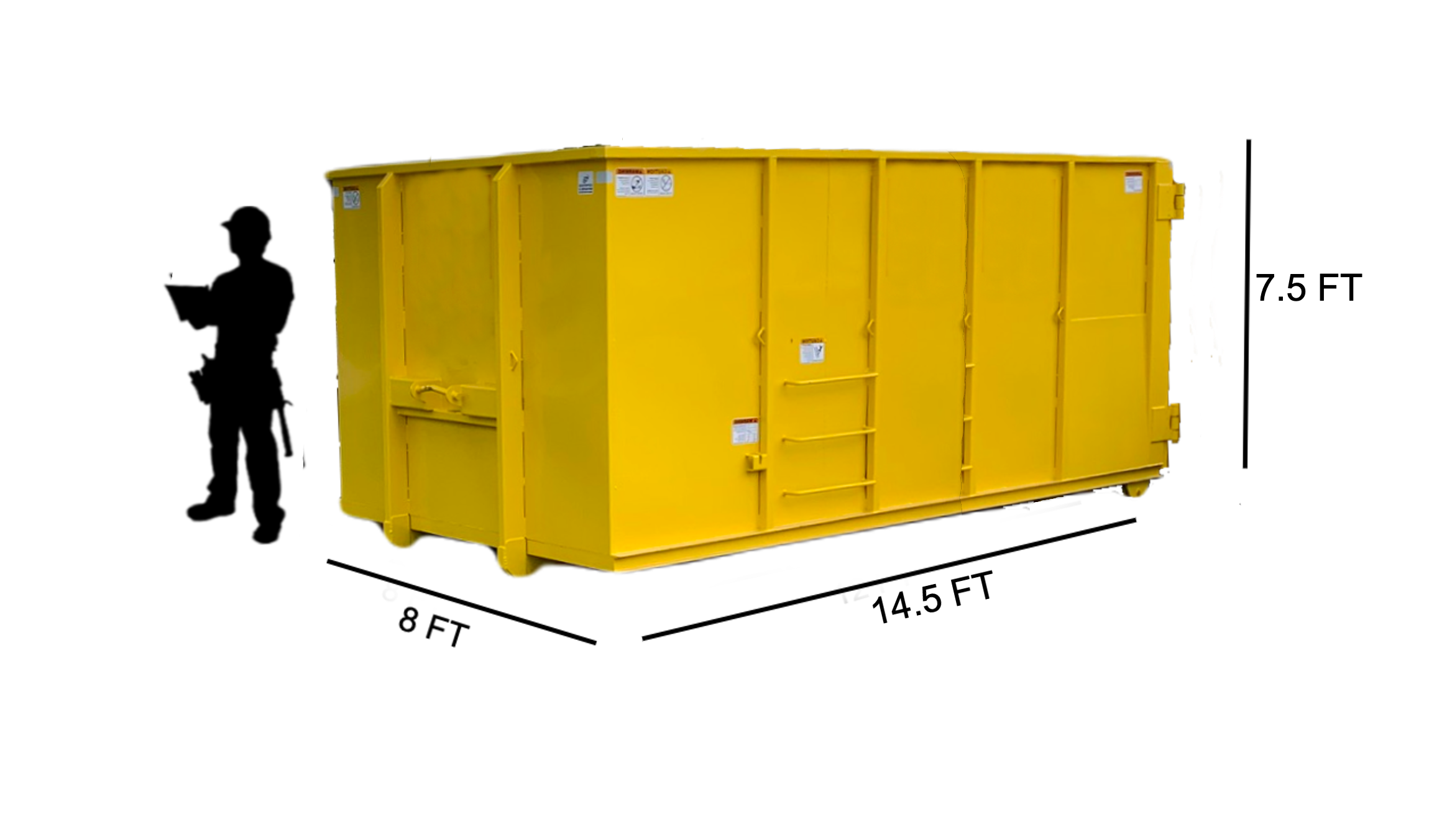
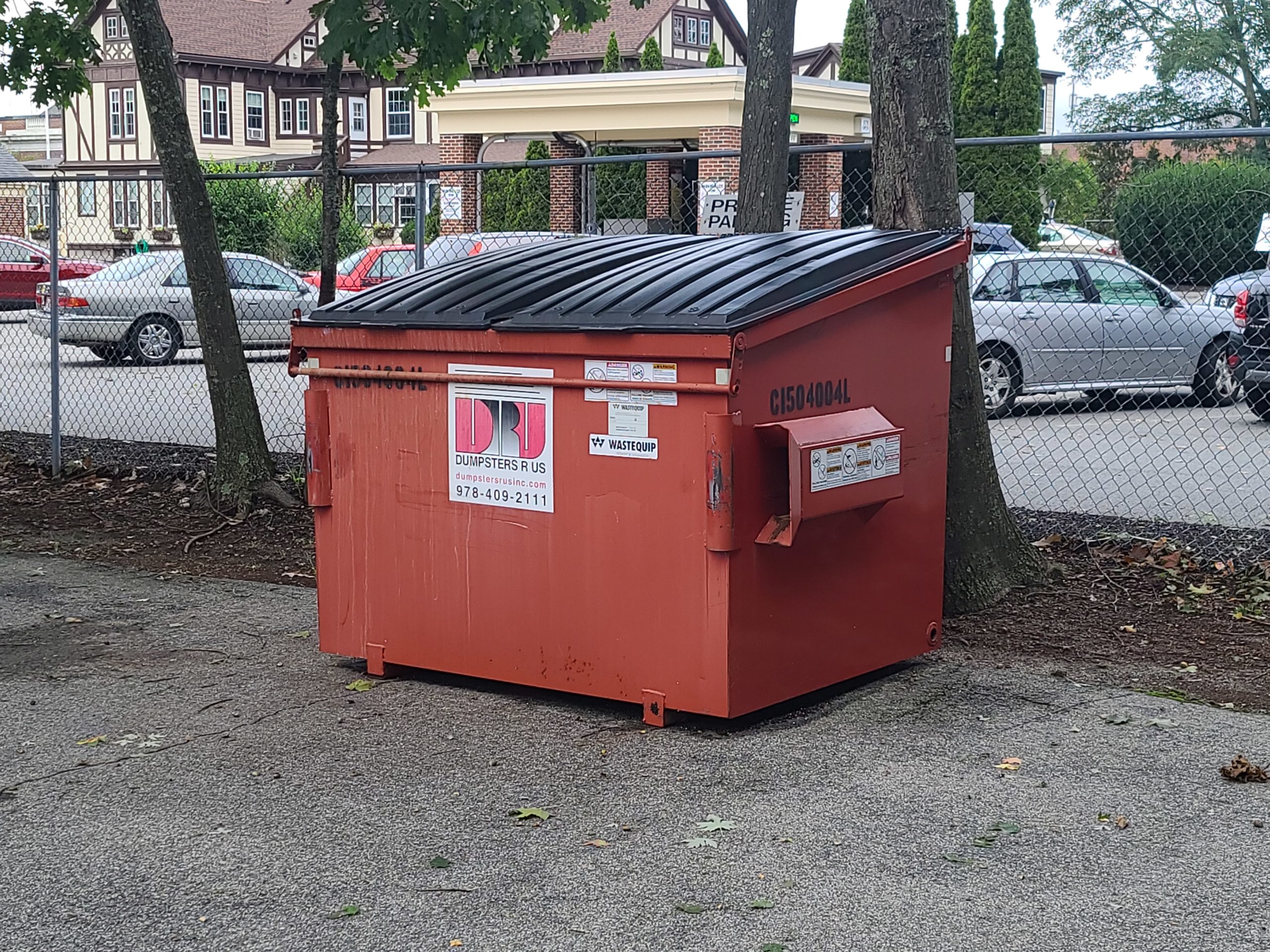
5.2 Dumpster Rental: A Feasible Option?
Renting a dumpster can streamline waste management considerably yet requires mindful planning concerning size and rental duration.
6. Neighborhood Laws on Waste Disposal
6.1 Comprehending Local Laws
Make certain you're familiar with local policies related to construction debris and unsafe materials.
6.2 Authorizations and Licenses Required
Certain regions might need certain permits for waste disposal-- make certain these are gotten before starting your project.
7. Reusing Options for Structure Materials
7.1 What Can Be Recycled?
Identify which materials can be reused to lessen landfill payments:
- Wood Metal Concrete
7.2 Searching for Resident Recycling Facilities
Research local facilities that approve building materials for reusing purposes.
8. Environmental Effect of Poor Waste Management
8.1 The Expense to Our Planet
Neglecting appropriate waste management can lead to significant ecological effects such as pollution.
8.2 Sustainable Practices
Adopting sustainable practices not only benefits the atmosphere yet additionally enhances your home's value long-term.
9. Budgeting for Waste Management Costs
9.1 Hidden Costs in Renovations
Waste monitoring should not be a second thought; include it in your overall improvement spending plan from the start.
9.2 Approximating Total Costs
Consider all facets like dumpster rentals, scrap elimination services, and recycling costs when budgeting.
10. Last Cleanup: Ideal Practices for Waste Disposal
10.1 Post-Renovation Clean-up Checklist
Ensure you have a list prepared for effectively concluding clean-up post-renovation.
|Job|Status|| -----------------------|------------|| Dispose of hazardous material|Completed|| Reuse functional products|Underway|| General cleaning up|Pending|
10.2 Handling Surplus Materials
Don't forget leftover materials that could be helpful later on-- think about keeping them rather than tossing them away!
Frequently Asked Inquiries (FAQs)
Q1: Just how do I approximate how much waste my remodelling will certainly generate? Estimating waste generation includes determining the square video footage being renovated and applying sector averages based upon usual materials used.
Q2: Exist any kind of eco-friendly disposal options? Yes! Explore https://honey-injure.uncrn.co/blog/10-actions-to-effective-dumpster-rental/ reusing facilities that focus on building debris or take into consideration donating functional things to regional charities.
Q3: What ought to I do with dangerous materials like paint? Most areas have specific standards for dealing with dangerous products; get in touch with local waste administration authorities for instructions customized to your location.
Q4: Do I require a license for rental dumpsters? This differs by place-- check neighborhood regulations pertaining to dumpster services before proceeding with renting one.
Q5: Can I reuse drywall? Yes! Drywall can commonly be reused if taken to particular centers made for this purpose; nevertheless, check neighborhood guidelines first.
Q6: The length of time should I plan for clean-up after renovations? Usually, assign a minimum of one full day devoted entirely to clean-up at the end of your task-- but this can vary relying on the scale of remodellings undertaken.
Conclusion
Navigating through home restorations while taking care of waste could seem frustrating in the beginning glance, however with careful preparation and adherence to developed timelines, it becomes manageable-- and also satisfying! Keep in mind that "Establishing Your Home Remodelling Timeline with Appropriate Waste Management", not just helps keep an organized workspace yet makes certain that you're making responsible selections that benefit both you and the environment long-lasting.
By understanding every element-- from approximating waste production and selecting appropriate disposal methods-- to adhering to regional policies, you'll establish on your own up not just for a successful restoration but likewise add positively towards lasting living practices in your community.