To guarantee a successful dumpster rental, follow these 7 vital steps: determine your waste needs by recognizing waste type and amount, choose the right dumpster size based upon job kind, choose a reputable rental company with study and evaluations, prepare a safe and available drop-off area, lots the dumpster effectively to make best use of space, schedule pickup and delivery to line up with your project timeline, and comply with local waste regulations to prevent interruptions. By following these actions, you'll be well on your way to a smooth and affordable waste management process, and discovering how each action can be customized to your details task needs will reveal even more benefits.
Determine Your Waste Needs
Understanding the nature of your waste will assist you get ready for the rental process and assure you obtain the right dumpster for the job.
It will additionally aid you prevent potential issues, such as overloading or contamination, which can cause additional costs or even task delays.
Choose the Right Dumpster Size
Selecting the suitable dumpster size is vital to a successful rental experience, as it straight influences the efficiency and cost-effectiveness of your waste management project
A dumpster that is also small will lead to additional rental periods, boosting prices and prolonging the job timeline. On the various other hand, a dumpster that is too big will result in unnecessary expenses and wasted space.
To determine the appropriate dumpster dimension, think about the kind and amount of waste you require to deal with. For small to medium-sized tasks, such as home renovations or lawn cleanings, a 10-20 lawn dumpster is usually sufficient.
Larger jobs, like construction or demolition, may call for a 30-40 backyard dumpster. Furthermore, think about any type of specific regulations or restrictions in your location that may influence dumpster dimension and placement.
Select a Trustworthy Rental Company
A reliable dumpster rental company is the backbone of an effective waste administration job, as it ensures prompt shipment, reliable solution, and compliance with neighborhood regulations.
When choosing a respectable firm, research is key Start by asking good friends, family, or colleagues for suggestions. Check on the internet evaluations and scores to obtain a concept of the firm's reputation.
Ascertain the firm is licensed, bonded, and insured to secure on your own and your home. Verify their experience in managing jobs comparable to yours.
A reputable business will certainly supply a detailed quote outlining the solutions, https://privatebin.net/?f336ad5c589e0646#ErGMW5dkBXKF76QarzQejwUR8hJfEj6x34S1k1SXvfVK costs, and regards to the service. Be wary of companies with unclear or concealed fees
Prepare the Drop-Off Location
Once the rental company has been picked, interest turns to preparing the drop-off location, an important action in guaranteeing a smooth dumpster rental experience. This includes recognizing a safe and accessible spot for the dumpster to be positioned, considering any local regulations or house owner association rules.
It's essential to pick an area that is close to the location where the waste will be created, reducing the distance employees or family members will certainly require to lug hefty or cumbersome items.
The drop-off place should additionally be clear of any kind of obstacles, such as low-hanging branches, high-voltage line, or narrow walkways, to guarantee the dumpster can be supplied and grabbed safely.
Additionally, take into consideration the surface on which the dumpster will be positioned, as rough or irregular surfaces can create damage to the dumpster or surrounding property.
Load the Dumpster Efficiently
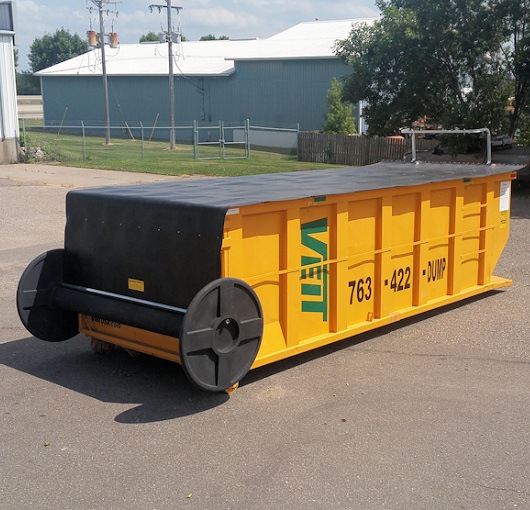
Most dumpster rentals come with a certain weight and quantity capability, making it essential to pack the dumpster effectively to maximize its usage and avoid extra fees.
To guarantee you get the most out of your leasing, adhere to these guidelines to fill your dumpster like a pro.
Load It Right: 3 Necessary Tips
Start with a plan: Before you begin packing, take a minute to think of the products you need to throw away and how they can be prepared to optimize room. This will certainly aid you stay clear of wasted room and minimize the risk of overloading.
Load hefty products first: Put your heaviest things, such as building and construction materials or devices, at the bottom of the dumpster. This will stop lighter things from getting crushed and make it much easier to load and dump the dumpster.
Fill it up, not over: Bear in mind the dumpster's weight and quantity capability. Prevent overloading the dumpster, as this can lead to extra charges or even call for a second rental.

Schedule Pick-up and Delivery
The dumpster leasing's success rests on timely pick-up and delivery, assuring that your project stays on schedule and prevents unneeded delays.
A well-coordinated schedule enables you to manage your task's workflow effectively, minimizing downtime and optimizing performance. To achieve this, it's crucial to schedule pickup and delivery ahead of time, considering your project's timeline and the dumpster rental supplier's availability.
When scheduling pickup, take into consideration the dumpster's ability and the rate at which you're loading it. This will certainly aid you establish the excellent time for pickup, avoiding overfilling and guaranteeing compliance with weight and size restrictions
Similarly, scheduling distribution beforehand assurances that the dumpster shows up on-site when you require it, decreasing job hold-ups and disruptions.
Follow Regional Waste Regulations
Successful task intending includes more than just timely pick-up and shipment; it additionally calls for adherence to local waste regulations.
Failure to comply can lead to fines, penalties, and even job delays. It's crucial to familiarize yourself with the certain laws in your location to ensure a smooth and effective dumpster rental experience.
To avoid potential concerns, consider the following:
Permit requirements: Check if you need an authorization to place a dumpster on your residential or commercial property or if there are specific constraints on dumpster placement.
Prohibited materials: Know the materials that can not be taken care of in the dumpster, such as hazardous waste, electronic devices, or large appliances.
Weight and dimension limitations: Comprehend the weight and size limits of the dumpster to prevent overloading or using the wrong dimension dumpster for your project.