When you throw your trash right into the container, have you ever before stopped briefly to think of what occurs following? The journey of waste is usually overlooked, yet it involves intricate systems and processes designed to manage the byproducts of our day-to-days live. In this article, we'll take a deep study "What Happens to Your Waste After It's Accumulated? A Look Inside the Process" We'll check out every little thing from collection techniques to final disposal, recycling campaigns, and cutting-edge waste monitoring modern technologies that shape our environment.
Introduction
Waste management is a vital facet of modern-day culture. With urbanization and populace growth, the amount of waste created remains to rise at a worrying rate. Recognizing the trajectory of your trash bin aid in cultivating far better habits and promoting for more sustainable methods. So, buckle up as we start a trip through the elaborate globe of waste management!
What Takes place to Your Waste After It's Gathered? A Look Inside the Process
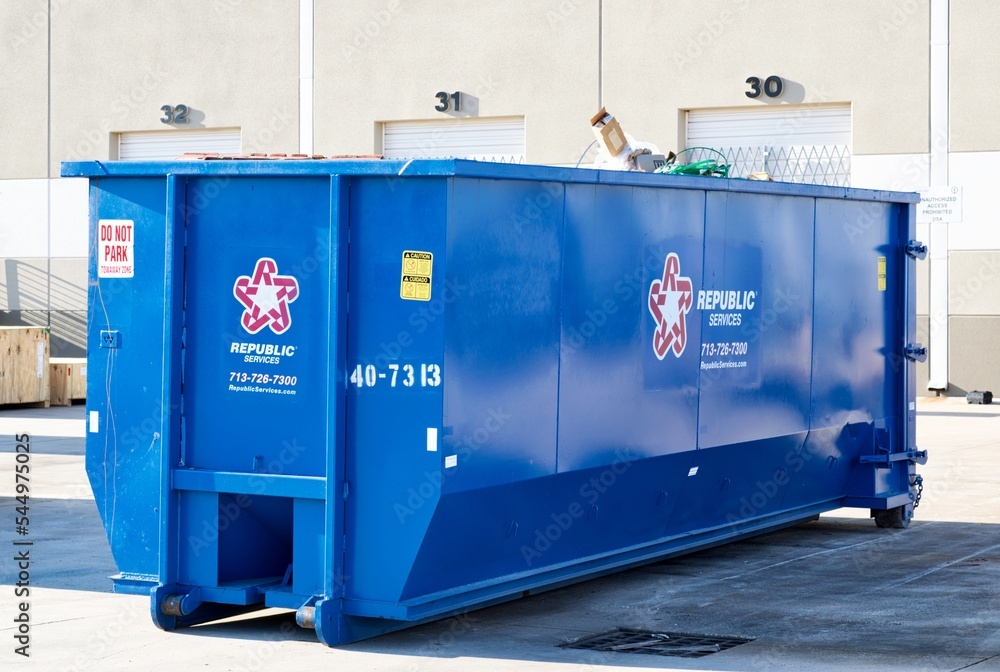
After you've placed your trash can on the curb or in a dumpster, it notes the beginning of a comprehensive procedure that consists of collection, transport, arranging, therapy, and disposal. Each step plays an essential function in establishing how waste is managed and what eventually occurs to it.
The Collection Phase: Just How Waste Is Gathered
In several areas, waste collection happens once a week or bi-weekly. Trucks outfitted with specialized lifting mechanisms gather trash from household and industrial places. However just how does this procedure work?
Types of Waste Collection Systems
Curbside Collection- Most common approach for residential areas. Residents put bins at assigned areas for very easy access.
- Locations where homeowners can bring their waste. Often utilized for recyclables or hazardous materials.
- Specialized services deal with services generating larger amounts of waste.
- Scheduled pickups for larger things like furniture or appliances.
Transportation: Obtaining Waste to Handling Facilities
Once collected, waste needs to be carried efficiently to refining centers or landfills.
How Are Trucks Created for Waste Transport?
- Equipped with compaction systems. Designed for different sorts of waste-- solid, fluid, or recyclable materials. GPS modern technology makes certain ideal paths are considered efficiency.
Sorting: What Happens at the Reusing Facility?
Upon arrival at a recycling facility or material recovery facility (MRF), waste undertakes rigorous sorting processes.
The Sorting Refine Explained
Manual Sorting- Workers by hand separate recyclables from trash.
- Machines use air jets, magnets, and displays to categorize materials.
- Ensures just appropriate products continue further in the recycling process.
Treatment: Just how Is Waste Processed?
Not all waste winds up in garbage dumps; some go through therapy processes that recover valuable materials or energy.
Composting: Changing Organic Waste into Nutrient-Rich Soil
- Organic matter like food scraps and lawn particles can be composted. The process includes cardio decomposition promoted by microorganisms.
Incineration: Energy Healing from Combustion
- Incineration reduces volume substantially while producing energy. Advanced centers catch discharges securely before launch right into the atmosphere.
Final Disposal: Where Does Your Waste End Up?
Ultimately, non-recyclable waste discovers its means to land fills or various other disposal sites.
Landfill Procedures Explained
Engineered Landfills- Designed with liners and leachate collection systems.
- Ensure ecological security over time as decomposing natural product can produce methane gas.
Innovations in Waste Monitoring Technology
Technological advancements are playing a pivotal duty in boosting waste management methods globally.
Smart Containers: The Future of Garbage Collection?
Imagine bins equipped with sensing units that notify collection solutions when they're complete! Smart containers are ending up being increasingly popular in urban areas for effective resource allocation.
Robotic Arranging Systems: Improving Effectiveness in Recycling Facilities
Robotics are being incorporated right into MRFs to improve arranging accuracy and speed while reducing human labor costs.
Environmental Effect of Garbage disposal Methods
Understanding exactly how different disposal methods impact our atmosphere is crucial for making informed options about intake and waste generation.
Landfill Effect on Soil and Water Quality
Landfills can leakage impurities without proper monitoring systems bring about groundwater air pollution-- a major worry for neighborhood ecosystems!
Carbon Footprint Connected with Incineration vs. Landfilling
Both incineration and landfilling contribute greenhouse gases; nonetheless their impacts vary considerably on climate adjustment dynamics based upon exhaust control modern technologies employed.
Community Involvement: Raising Understanding regarding Waste Administration Practices
Educating neighborhoods about accountable disposal techniques cultivates far better engagement in reusing programs while reducing general littering rates!
How Can You Contribute?
Join local clean-up events. Participate in instructional workshops on reusing ideal practices. Advocate for neighborhood composting initiatives!FAQs Concerning Waste Management
Q1: What kinds of products can be recycled?
A1: Frequently recycled materials include paper items, metals (like aluminum containers), glass bottles/jars, plastic containers noted with reusing signs (1-- 7).
Q2: Just how do I recognize if my city has curbside recycling services?
A2: Check your local government's internet site or call them straight; most districts supply comprehensive details relating to offered services!
Q3: Are there any type of hazardous impacts connected with improper disposal methods?
A3: Yes! Incorrect disposal may bring about dirt contamination & & water top quality deterioration due hazardous materials seeping from land fills-- posturing risks public health!
https://piedmonttriaddumpsters.com/dumpster-rental-burlington-nc/
Q4: Can digital gadgets be reused too?
A4: Definitely! Many cities use e-waste drop-off programs making certain secure handling & & reusing components located within electronic devices (batteries specifically!).
Q5: What is zero-waste living?
A5: Zero-waste living targets at minimizing landfill payments by recycling products instead disposing them after single-use-- advertising lasting methods throughout life process products taken in daily
Q6: Why must industries take on lasting packaging solutions?
A6: Sustainable product packaging minimizes environmental impact while appealing eco-conscious customers inevitably driving brand loyalty & & favorable public perception!
Conclusion
In verdict, comprehending what takes place after you toss away your garbage offers beneficial understandings right into our cumulative responsibility in the direction of efficient waste administration practices-- both separately & & jointly as participants society! By being informed customers who proactively involve lasting routines such as recycling & & composting we not only add positively our environment yet likewise help lead future generations' path in the direction of cleaner much healthier earth! As we've discovered throughout this post "What Happens to Your Waste After It's Gathered? A Look Inside the Refine", it ends up being clear that every decision made at each phase adds dramatically toward forming tomorrow's globe-- so allow's make those decisions count!