Before renting a dumpster, it is essential to think about numerous essential elements to ensure a smooth and cost-effective experience. Determining the ideal dumpster dimension and weight capacity is basic to prevent additional charges and environmental impact. Recognizing allowed materials and banned items, in addition to obtaining necessary permits and licenses, is important to adhere to laws. Logistical factors to consider, such as delivery and pickup schedules, have to also be carefully intended. In addition, determining the total rental cost, avoiding hidden fees, and assessing insurance policy and liability coverage are important to remain within budget plan. By knowing these vital components, you'll be well-prepared to tackle your task with self-confidence, and there's more to check out to ensure a problem-free experience.
Determining the Right Dumpster Size
When tackling a cleaning or improvement job, getting the right dumpster size is important to guarantee efficient waste management and cost-effectiveness. A dumpster that is also small will certainly lead to multiple journeys to the landfill, boosting costs and project duration.
On the other hand, a dumpster that is too large will lead to wasted space and unnecessary expenses
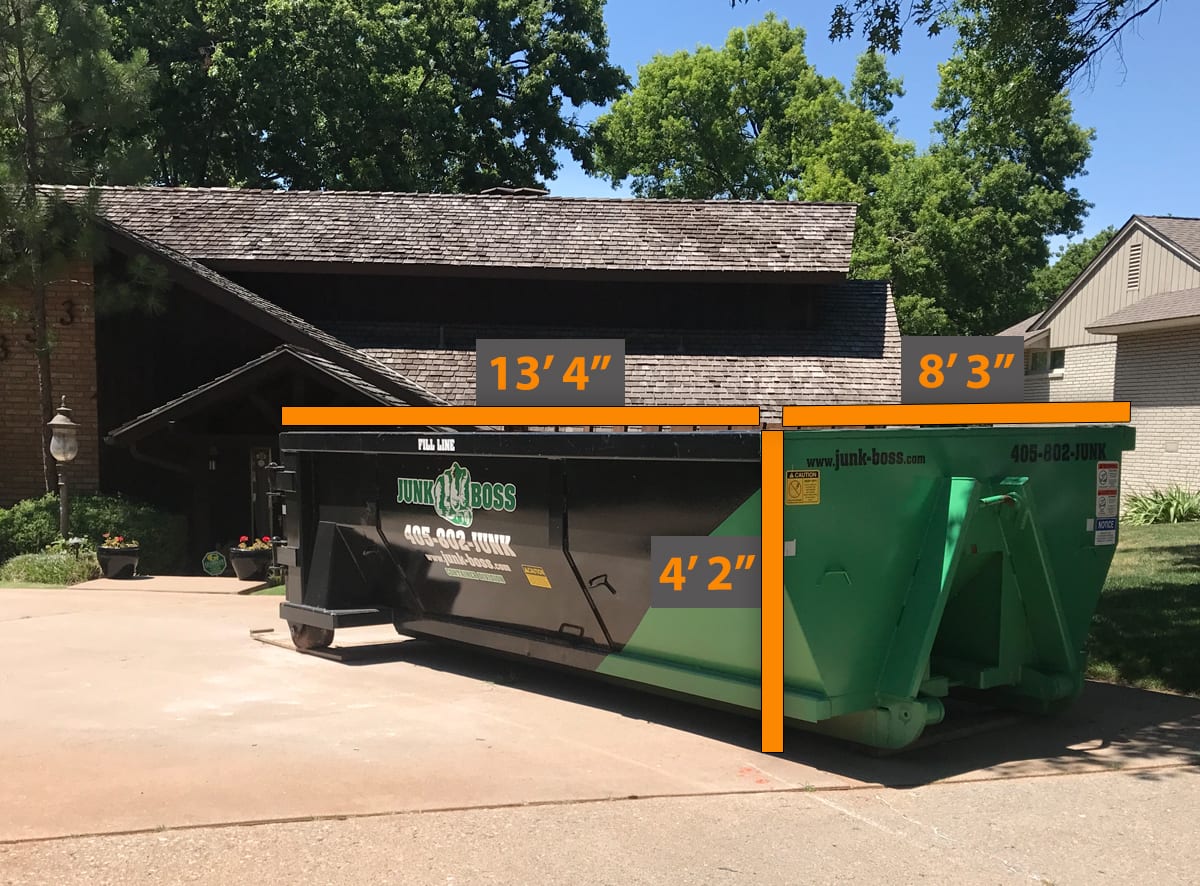
To determine the appropriate dumpster size, think about the extent of your task and the kind of materials you will certainly be taking care of. Procedure the location where the dumpster will certainly be placed to identify it fits comfortably.
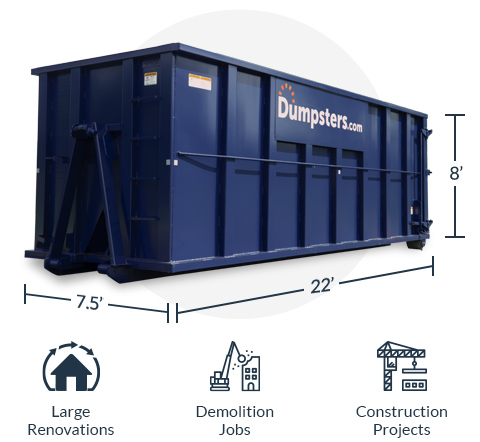
Common dumpster sizes vary from 10 to 40 backyards, with 20-yard dumpsters being a popular option for many projects.
Renting a dumpster that is the best dimension for your project will streamline waste removal, lower prices, and lessen environmental impact.
Understanding Weight Capability Limits
Having identified the optimal dumpster size for your task, it's just as essential to consider the weight ability limits of the dumpster to guarantee that you can efficiently deal with your waste.

Weight capability limitations vary among dumpster rental companies, so it's important to comprehend the details restrictions for your dumpster. Surpassing the weight capacity can result in additional fees, fines, or perhaps rejection to accept the dumpster for disposal.
Typically, dumpster weight limitations range from 1-10 tons, relying on the dimension and kind of dumpster. It's necessary to approximate the weight of your waste accurately to prevent any type of issues.
To do this, consider the density of the materials you'll be throwing away. For instance, heavy construction materials like concrete or asphalt will certainly evaluate more than lighter materials like drywall or roofing shingles.
Understanding the weight ability limits of your dumpster will assist you plan your waste disposal strategy efficiently, ensuring a smooth and easy experience.
Always get in touch with your dumpster rental firm for their specific weight capacity limitations and guidelines to stay clear of any kind of surprises.
Allowed Materials and Prohibited Items
Alongside weight capability restrictions, comprehending what materials are admitted a dumpster is vital to guarantee a smooth waste disposal experience.
This understanding aids avoid contamination, minimizes the risk of extra costs, and guarantees that waste is disposed of in an eco responsible manner.
When it involves permitted materials, you can usually take care of:
Construction debris: consisting of concrete, asphalt, block, and roof materials Household waste: such as furniture, home appliances, and general trash Yard waste: like branches, leaves, and various other organic materialsIt's vital to keep in mind that specific products are purely restricted from being positioned in dumpsters, including harmful products, electronics, and huge appliances.
Be sure to contact your rental service provider for details guidelines on what can and can not be taken care of in their dumpsters.
Delivery and Pickup Logistics
Scheduling logistics plays a crucial duty in guaranteeing a seamless dumpster rental experience, as it directly affects the performance of your project timeline. When arranging for dumpster delivery and pickup, it's important to take into consideration the timing and placement of the dumpster to prevent delays or disruptions.
Be sure to arrange the shipment at a time when the dumpster can be securely and comfortably positioned on your home, thinking about any type of potential obstacles or restrictions.
Additionally, it's essential to ensure that the dumpster is placed in an easily accessible location to help with efficient loading and minimize labor costs
Think about the distance to your office, as well as any kind of prospective traffic or pedestrian flow that may be influenced by the dumpster's presence.
By thoroughly preparing the logistics of dumpster delivery and pickup, you can minimize downtime and keep your task on track
Obtaining Essential Licenses and Licenses
Once the logistics of dumpster shipment and pick-up are in location, interest can shift to verifying that all essential licenses and licenses are acquired to stay clear of possible disturbances to the task timeline.
This action is vital, as failure to abide by neighborhood laws can lead to penalties, charges, and even job delays.
To warranty a smooth and hassle-free experience, it's important to obtain the following permits and licenses:
Local building permits: Verify with your local government if a permit is needed to position a dumpster on your residential or commercial property or in the street.
Street usage permits: If the dumpster will certainly be put in a public right-of-way, such as a street or alley, a road use authorization may be necessary.
Environmental permits: Depending upon the kind and amount of waste being dealt with, ecological licenses might be required to verify compliance with local and national regulations.
Insurance and Liability Coverage
A significant facet of renting a dumpster is guaranteeing sufficient insurance and liability coverage to shield on your own and your business from unforeseen events This protection is essential in case a mishap occurs during the rental period, such as damages to residential https://rentry.co/nkfb4yx7 or commercial property or injury to individuals. Without sufficient coverage, you might be held liable for problems, which might result in economic losses and legal issues.
Typically, dumpster rental business offer basic liability insurance that covers problems to their equipment and residential or commercial property. However, this protection might not reach your residential property or third-party problems. It is necessary to evaluate the rental agreement to recognize the scope of protection and identify any gaps.
Consider getting additional insurance policy coverage to fill these voids and guarantee comprehensive defense. When assessing insurance coverage options, ask about the types of coverage supplied, policy limits, and deductibles.
Also, ask about the process for filing claims and the response time in instance of an occurrence. By comprehending your insurance policy and responsibility coverage, you can rent a dumpster with self-confidence, recognizing you are protected from unexpected events
Calculating the Overall Rental Cost
The overall cost of renting a dumpster includes greater than simply the base rental cost, and it's critical to calculate all the connected costs to avoid shock expenses.
Understanding the overall rental cost aids you plan your spending plan and warranties you're not captured unsuspecting by extra charges.
When computing the overall rental cost, consider the following:
Rental Period: The longer you lease the dumpster, the higher the expense. Be sure to clarify the rental period with your supplier to prevent additional day-to-day fees.
Dumpster Dimension and Type: Larger dumpsters and specialty dumpsters (e.g., for dangerous materials) usually set you back greater than smaller, standard dumpsters.
Delivery and Pick-up Fees: Some suppliers might bill added for delivery and pickup services, so factor these costs right into your overall calculation.
Avoiding Hidden Charges and Charges
Hidden charges and costs can promptly rise the complete expense of renting out a dumpster, transforming what seemed like an affordable service into a monetary burden.
To stay clear of these unexpected expenses, it's essential to very carefully examine the rental agreement before signing. Search for any additional fees related to shipment, pick-up, or disposal, and clarify what is included in the priced estimate price.
Some dumpster rental companies may bill extra for fuel additional charges, overweight fees, or expanded rental periods. Be sure to ask about any kind of possible fines for exceeding weight restrictions or falling short to adhere to particular guidelines.
Additionally, inspect if the business uses any discounts or promotions that can help reduce the overall cost.
By understanding these potential hidden fees, you can better plan your budget and stay clear of any kind of surprises when the final bill arrives.
Scheduling and Timing Considerations
Frequently, dumpster rental jobs are time-sensitive, and organizing can make or break the success of the undertaking.
Confirming that the dumpster gets here and is removed immediately is vital to staying on track and staying clear of pricey delays.
When scheduling a dumpster rental, take into consideration the adhering to essential timing factors to consider:
Delivery and Pickup Windows: Validate the distribution and pick-up windows with your rental firm to verify they align with your task timeline.
Project Duration: Precisely estimate the period of your job to avoid maintaining the dumpster longer than necessary, which can lead to additional fees.
Holiday and Weekend Scheduling: Know that dumpster rental business may have restricted hours or accessibility throughout vacations and weekends, which can impact your job schedule.